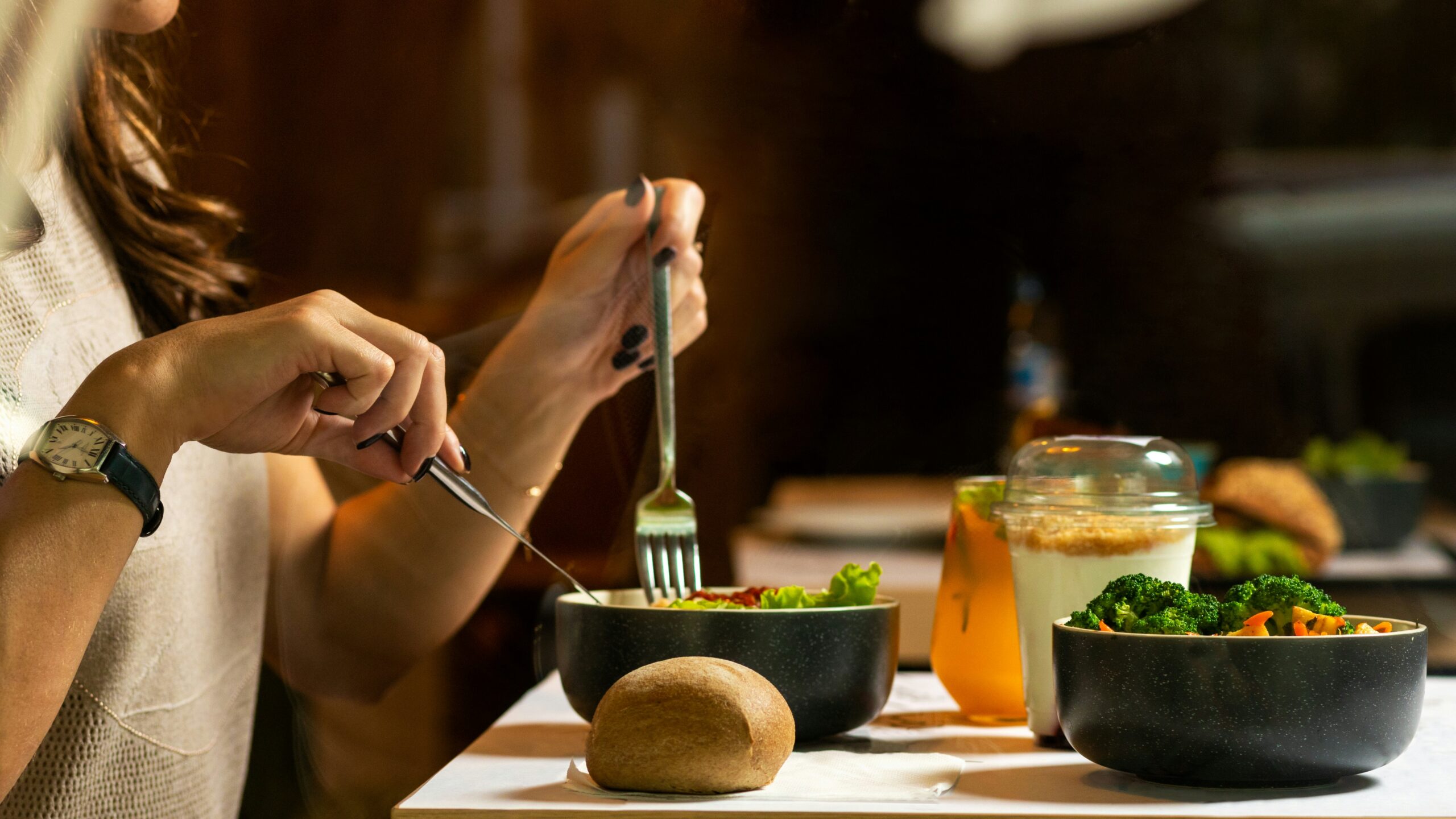
If you are looking to reduce your risk of developing breast cancer, or you’ve already previously been diagnosed with the condition and want to work towards reducing your risk of recurrence, then the profound impact of your diet can’t be underestimated. It’s natural to feel overwhelmed by all the information out there, but I want to assure you that making informed choices about what you eat can be a powerful tool in your health journey.
On the other hand, if you are currently going through breast cancer treatment, please refer to my other article specifically on this topic for insights on how to handle diet while receiving treatment.
Understanding the Connection: Diet, Breast Cancer, and Your Body
The relationship between what we eat and our risk of developing breast cancer, as well as our outcomes after a diagnosis, is a topic of significant research. It’s not just about weight, though that plays a role. Our diet influences our body at a fundamental level, affecting inflammation, hormone balance, and even the health of our cells.
Obesity and Inflammation
We know that obesity is a significant factor. When we carry excess weight, particularly in fat tissue, it can lead to chronic inflammation in the body. This inflammatory environment isn’t ideal, as it can create conditions that are more favorable for cancer to develop and progress. Studies have clearly shown a link between obesity and an increased risk of breast cancer in postmenopausal women, as well as a higher chance of the cancer returning and being more aggressive. It’s not just about your overall weight, either; even the distribution of fat, like the ratio of waist to hip measurements, has been connected to breast cancer mortality in postmenopausal women.
How Certain Foods Influence Our Bodies!
Think of your body as a finely tuned machine. The fuel you put into it matters. Some foods, like excessive carbohydrates, saturated fats, and red and processed meats, can act as accelerators for processes that might promote cancer. They can lead to higher levels of hormones like estrogen and insulin-like growth factor 1 (IGF-1), both of which are known to play a role in breast cancer growth. These foods can also increase pro-inflammatory cytokines, which are tiny messengers that boost inflammation.
On the flip side, there are foods that act as protective shields. Fiber, omega-3 polyunsaturated fatty acids (PUFAs), and powerful antioxidants found in vitamins C and E, as well as abundant fruits and vegetables, can help by reducing oxidative stress and calming chronic inflammation in your body. It’s like having a team of defenders working to keep your cells healthy. The Mediterranean diet, for example, is rich in these protective elements, and while more research is always ongoing, it appears to be associated with a lower incidence of breast cancer and improved outcomes.
Many large high-quality studies have reported results confirming these links, for example, Women’s Health Initiative (WHI) Dietary Modification clinical trial found that Postmenopausal women adopting a low-fat diet (high in vegetables, fruits, and grains) over 8.5 years experienced a 15% reduction in overall mortality and a 21% reduction in breast cancer-specific mortality, with a median follow-up of 19.6 years. While a meta-analysis of Cohort Studies Among 9200+ breast cancer survivors, found that those with the highest diet quality had a 23% lower mortality compared to those with the lowest. A 10-point increase in the diet quality score was associated with a 9% mortality reduction.
Dietary Patterns: Western vs. Prudent
Let’s dive into different ways of eating and what the science tells us. You’ve probably heard about the “Western diet” and the idea of a “prudent diet.” These aren’t just labels; they represent distinct eating habits with tangible effects on our health.
The “Western” Diet: A Higher Risk?
Imagine a diet heavy on fast food, processed snacks, sugary drinks, and lots of red and processed meats. This is essentially the “Western” dietary pattern. A large meta-analysis, which combined data from over 43,000 breast cancer cases, revealed some important findings about this way of eating. This review indicated that a Western diet, typically high in calories, red and processed meats, and animal fats, was linked to a 14% increase in overall breast cancer risk.

What’s particularly interesting is how this impact varied based on a woman’s menopausal status. The increased risk from the Western diet was primarily observed in postmenopausal women. Why might this be? After menopause, fat tissue becomes the main source of estrogen in a woman’s body. A Western diet often contributes to weight gain, which in turn can lead to higher estrogen levels, potentially increasing breast cancer risk.
The study also looked at the types of breast tumors. The Western diet was linked to a higher risk of hormone-sensitive tumors (those that are estrogen receptor (ER) and/or progesterone receptor (PR) positive). This makes sense, as the diet can influence hormone levels.
The “Prudent” Diet: Your Ally
Now, let’s consider the “prudent” diet. This is a dietary pattern brimming with fresh fruits, vegetables, and whole grains. The same meta-analysis found that this way of eating was associated with an impressive 18% decrease in breast cancer risk.
For premenopausal women, the protective effect of the prudent diet appeared even stronger. These women naturally have higher estrogen levels, and the healthy components of a prudent diet might be better at influencing how estrogen is processed and utilized in the body, offering a greater protective effect.
Furthermore, the prudent diet seemed to offer protection against both hormone-sensitive and hormone-insensitive tumors. This broader protective effect is likely due to the wealth of beneficial compounds found in fruits, vegetables, and whole grains, such as phytoestrogens, antioxidants, and folate. These elements are believed to play a role in how the body handles estrogen and can protect against cell damage that might lead to cancer. This finding aligns with earlier research suggesting that reducing fat intake, particularly in cases of ER-positive tumors, may lower risk.
The Microbiome
Before we move on, I want to briefly mention the microbiome – the incredible community of microorganisms living in our bodies, especially in our gut. Recent research suggests that the unique makeup of our gut and even breast microbiome could influence breast cancer development, how it progresses, and how it responds to treatment. While we’re still learning a lot in this area, it highlights just how interconnected our bodies are and how our diet, which profoundly affects our microbiome, can play a role in our health. More research is definitely needed to fully understand this connection and explore ways to use the microbiome to reduce breast cancer risk, but it’s an exciting frontier!
Specific Food Groups: What to Embrace and What to Approach with Caution
Now, let’s get into the specifics of different food groups and what the research indicates for breast cancer risk and survival.
Fruits and Vegetables: A Colorful Shield
The cornerstone of a healthy diet, and certainly a prudent one, is an abundance of fruits and vegetables. The Mediterranean diet, for example, emphasizes these powerhouses because they provide a substantial intake of polyphenols and fiber, both of which are believed to have cancer-preventing properties.
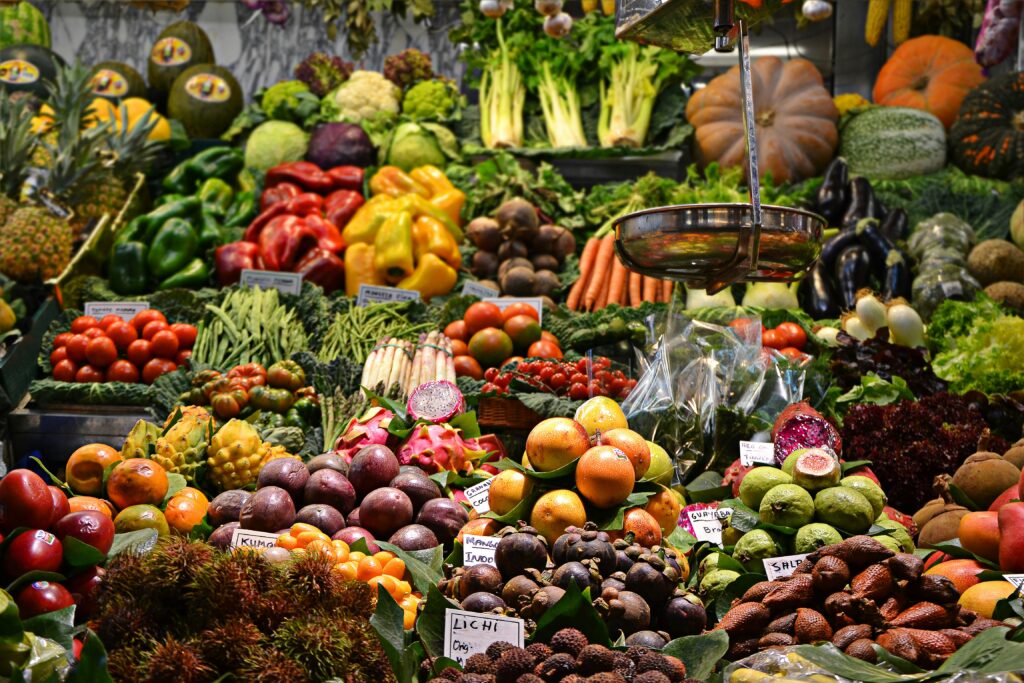
Polyphenols are plant compounds that can combat oxidative stress and inflammation in your body. For instance, polyphenols found in blueberry powder have been shown to influence breast cancer cell growth and spread by regulating inflammatory markers like interleukin-6. They can also inhibit enzymes and transcription factors that fuel inflammation. Some polyphenols may even interfere with estrogen signaling, either by hindering its production or by binding to estrogen receptors, which helps regulate tumor cell growth.
Fiber is another unsung hero. It can contribute to cancer prevention by binding to estrogens and reducing their levels in the blood, or by improving insulin sensitivity and helping you maintain a healthy weight.
Despite these promising mechanisms, some large studies have shown only a weak link between overall fruit and vegetable consumption in women’s diet and a reduced risk of breast cancer. However, more granular research offers intriguing insights. The European Prospective Investigation into Cancer and Nutrition (EPIC) study in Italy, for example, did show an inverse relationship between a high intake of leafy and fruiting vegetables, as well as raw tomatoes, and breast cancer risk. Similarly, another study found an inverse association between estrogen receptor-negative breast cancer and the consumption of blueberries, strawberries, and peaches/nectarines in postmenopausal women. While the overall evidence might not be strong enough to draw definitive, broad conclusions about all fruits and vegetables for all types of breast cancer, these findings suggest that certain types of non-starchy vegetables and specific fruits may in fact offer protective benefits.
Red Meat: Quality and Preparation Matter
The topic of red and processed meats often comes up in health discussions, and for good reason. They are considered potential risk factors for breast cancer due to several factors: their heme iron content, the use of estrogens in cattle, and the formation of mutagens during high-temperature cooking.
A recent meta-analysis of 17 studies confirmed that consuming unprocessed red meat was linked to a slightly higher risk of breast cancer, and this risk was even higher for processed meat. A UK large cohort study further supported this, showing an association between processed meat consumption and breast cancer in postmenopausal women, but not in premenopausal women. Interestingly, in this specific study, red meat consumption itself was not associated with breast cancer risk.
Research also suggests that the way meat is cooked, rather than just the meat itself, might be another significant contributing factor to breast cancer risk. Cooking at high temperatures, like grilling or frying, can lead to the formation of potentially carcinogenic compounds. While there is no definitive, absolute rule for everyone, it is generally recommended to limit red meat consumption to no more than three portions per week and to choose healthier cooking methods like baking, stewing, or boiling.
Fats: They are not all equal
The role of dietary fat in breast cancer has been a complex area of research, with different types of fats and individual circumstances leading to varied findings.
The Women’s Health Initiative (WHI) Dietary Modification Trial, one of the largest randomized controlled trials, investigated the role of dietary fat in breast cancer risk among almost 50000 postmenopausal women. The results indicated that a low-fat diet might slightly reduce the risk of breast cancer, though this reduction wasn’t statistically significant across the board. Further analysis suggested that the risk reduction was more noticeable in women who typically consumed a high-fat diet before the trial began. This highlights that individual baseline eating habits can influence the impact of dietary changes.
The type of dietary fat and menopausal status also play a crucial role. A meta-analysis found a higher breast cancer risk in postmenopausal women who consumed diets rich in total fat and polyunsaturated fats. In contrast, dietary fat seemed to have a protective effect in premenopausal women.
Another review reported that high saturated fat intake is associated with an increased risk of both breast cancer-specific and all-cause mortality, while omega-3 fat intake is linked to a decreased risk of all-cause mortality. Furthermore, a large study evaluating fat intake as predictor of developing breast cancer subtypes in about 338000 women further showed a positive association between high total and saturated fat intake and the development of hormone receptor-positive breast cancer.
From a biological perspective, dietary fats can influence cancer development by affecting cellular signaling pathways. Additionally, the accumulation of adipose (fat) tissue can lead to metabolic syndrome and tumor development through pathways involving insulin and IGF-1, as we discussed earlier. A recent meta-analysis also suggested that dietary cholesterol is associated with an increased risk of breast cancer.
So, while high-fat diet, total cholesterol, and triglyceride levels have generally been linked to an increased breast cancer risk, the key takeaway here is to focus on healthy fats like those found in avocados, nuts, seeds, and fatty fish, and to limit saturated and trans fats.
Carbohydrates and Glycemic Index: Focus on Quality
The relationship between carbohydrates, their types, and measures like glycemic index (GI) and glycemic load (GL), and breast cancer risk is still quite unclear and, at times, controversial. GI and GL are measures of carbohydrate quality, with GL being a stronger predictor of how much your blood sugar and insulin levels will rise after eating.
A meta-analysis reported a weak association between high GI and an increased risk of breast cancer in postmenopausal women, but not in premenopausal women. This association was slightly stronger for women with hormone receptor-negative breast cancer, though the findings weren’t statistically significant across all studies. Most studies found no link between GL or overall carbohydrate intake and an increased breast cancer risk in either premenopausal or postmenopausal women. However, when researchers looked specifically at hormone receptor-negative tumors (estrogen receptor-negative and/or progesterone receptor-negative), the association with GL became significant.
Even though there seems to be no consistent results associating high carbohydrate intake, GI, or GL and the overall breast cancer risk, there seem to be some association with hormone receptor negative breast cancer. Therefore, maintaining good glycemic control is still highly recommended not just for reducing cancer risk, but for overall health. This means focusing on whole, unprocessed carbohydrates like whole grains, fruits, and vegetables, and highly limiting refined sugars and highly processed foods that cause rapid spikes in blood sugar such as pastries, pasta, etc….
Dairy Products: A Mixed Bag
Dairy products are a bit of a puzzle when it comes to breast cancer risk, as they contain a complex mix of components that can have opposing effects. This often leads to conflicting results in studies.
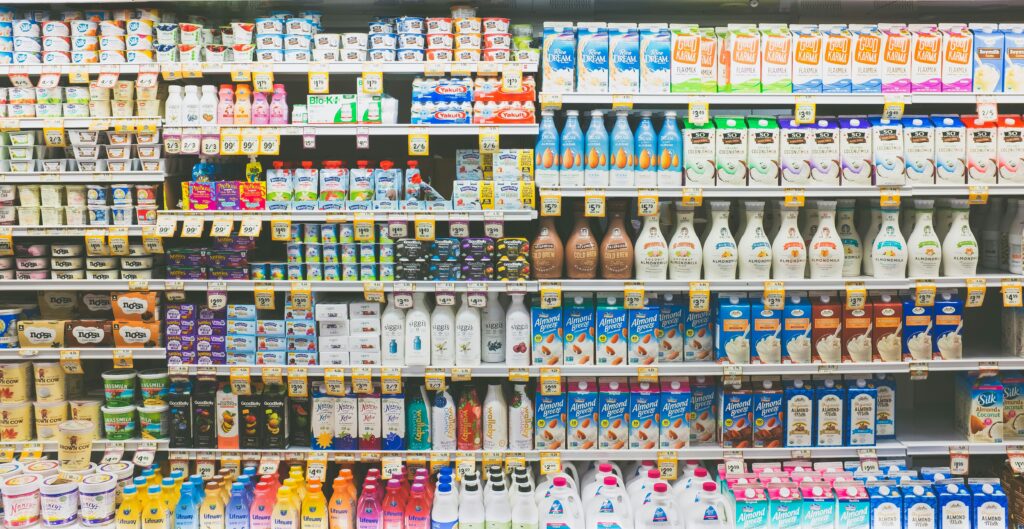
Some studies have found no significant association between dairy intake and breast cancer risk. However, a meta-analysis of 18 prospective cohort studies suggested that higher consumption of total dairy food, but not milk alone, might be associated with a reduced risk, particularly in premenopausal women and for low-fat dairy intake. One of the largest meta-analysis to date, which included both Western and Asian populations with various levels of dairy consumption throughout life, confirmed a dose-dependent, time-dependent, and dairy-type-dependent relationship between dairy consumption and breast cancer risk. High and moderate dairy consumption appeared to reduce breast cancer risk more effectively than low consumption. Further analysis revealed that a diet that involves consumption of fermented dairy, yogurt, or low-fat dairy products was inversely associated with breast cancer development.
The potential protective effect of dairy might be attributed to anti-carcinogenic compounds like vitamin D. Both laboratory and animal studies have shown that vitamin D can inhibit breast cancer development, and increasing its dietary intake can reduce experimental mammary tumor growth. High intakes of calcium and vitamin D have also been moderately associated with a lower breast cancer risk, especially in premenopausal women.
However, dairy products also contain components that could potentially increase breast cancer incidence, such as saturated fatty acids, endogenous IGF-1 (which can promote breast cancer growth), and even potential contaminants like pesticides. High-fat dairy consumption can contribute to a higher overall dietary fat intake, which can be pro-carcinogenic. In contrast, low-fat dairy products retain unsaturated fatty acids, which have not been significantly associated with breast cancer risk, while losing most of their saturated fatty acids. The complex composition of dairy products makes it challenging to determine their net effect on breast cancer prevention.
For now, if you enjoy dairy, low-fat and fermented options such as kefir and Greek yogurt seem to be a more prudent choice than full fat yogurt or cheese (which contains high levels of saturated fats).
Alcohol: A Consistent Risk Factor
Among all the dietary factors, alcohol consumption is the one most consistently linked to the onset of breast cancer and overall mortality. Strong evidence indicates that alcohol intake, regardless of the type of alcoholic beverage, is associated with a significantly increased risk of breast cancer in both premenopausal and postmenopausal women.
A dose-response meta-analysis showed that for every 10 grams of ethanol consumed per day (which is roughly one standard drink), there was a significant increase in breast cancer risk, 5% in premenopausal women, and 9% in postmenopausal women. This association might be related to ethanol’s ability to promote tumor growth and metastasis. Ethanol can also increase estrogen levels through various mechanisms, including increasing aromatase activity, inhibiting estrogen degradation, decreasing melatonin secretion, and increasing hepatic oxidative stress. These elevated estrogen levels can then exert their carcinogenic effects on breast tissue. Furthermore, heavy alcohol consumers often have inadequate intake of essential nutrients, further compromising their health. Therefore, limiting or avoiding alcohol is a crucial dietary recommendation for breast cancer prevention and management.
Powerful Micronutrients: Beyond the Macros
While we focus on whole foods and dietary patterns, it’s important to understand the role of specific micronutrients – vitamins and minerals – in our body’s defense against cancer.
Carotenoids: The Colors of Protection
Carotenoids are the pigments that give some fruits and vegetables their vibrant yellow and red colors. Beyond their beauty, they are thought to have powerful anticarcinogenic, antioxidant, and immune-enhancing properties. In laboratory studies, carotenoids have been shown to reduce the proliferation of breast cancer cells and inhibit tumor progression.
A large prospective analysis with 20 years of follow-up found that women with higher levels of carotenoids in their blood had a lower risk of breast cancer. Specifically, women with the highest carotenoid levels had an 18-28% lower risk compared to those with the lowest. Even more strikingly, higher carotenoid levels were linked to a significantly lower risk of breast cancer recurrence and death. The study suggests that higher carotenoid levels may protect against more aggressive breast cancer and consequently mortality.
However, this doesn’t mean you should immediately start supplementing with high doses of carotenoids. As is often seen, supplementing doesn’t always offer the same effect as getting these nutrients from your diet, and in a few cases, it may even cause harm. For example, beta-carotene supplementation has been reported to increase the risk of lung cancer in certain populations (smokers and asbestos workers). Therefore, the best approach is to load up on carotenoid-rich foods like carrots, sweet potatoes, leafy greens, and tomatoes.
Vitamin D: The Sunshine Vitamin
Vitamin D is another micronutrient that has garnered significant attention. Evidence has varied between observational studies and clinical trials. Large-scale observational studies have reported a significant association between vitamin D deficiency and the development of breast cancer, while those with healthy levels of serum vitamin D had a lower risk of developing cancer. These studies also observed an inverse relation between supplementing with vitamin D and breast cancer, where those who supplemented with vitamin D, particularly postmenopausal women, had a lower risk of developing breast cancer.
However, current evidence from clinical trials hasn’t reported a significant reduction in risk between those who supplemented with vitamin D and those who received a placebo. It’s important to note that the duration of these clinical trials only lasted between 4 months to a maximum of 6 years, which may not be a sufficient duration to measure a meaningful difference, while observational studies tend to run for a much longer period. Given its overall importance for bone health, immune function, and various other bodily processes, ensuring adequate vitamin D levels, ideally through a combination of sun exposure and dietary sources, is still a wise recommendation. Discuss with your doctor if supplementation is right for you.
Vitamin C: A Powerful Antioxidant
The results regarding the impact of vitamin C intake on the risk of developing breast cancer have varied between studies. A rigorous 2022 research study following over 180,000 women for many years concluded that there was no significant association between supplemental, dietary, or total vitamin C intake and the risk of developing breast cancer.
That being said, considering how powerful an antioxidant vitamin C is, it may still play a significant role in breast cancer, not necessarily in changing the risk of initially developing breast cancer, but through utilizing its powerful anti-tumor and antioxidant effect as a therapeutic agent. This highly therapeutic effect can only be achieved through intravenous injection of specific high vitamin C doses at particular intervals. This could be in combination with conventional chemotherapy and radiation to improve their efficacy, or in certain cases where patients are resistant to conventional treatments or not eligible for any reason, intravenous vitamin C therapy has also been used as monotherapy with varying degrees of success. If you’re interested in exploring this further, please refer to my other article on holistic treatments of breast cancer. For daily health, continue to enjoy vitamin C-rich foods like citrus fruits, berries, and bell peppers.
Soy (Phytoestrogens): Dispelling Myths and Embracing Benefits
Soy consumption has been a subject of debate, with concerns raised about potential health risks like breast cancer, male feminization, fertility changes, and thyroid function alterations. However, safety evaluations haven’t revealed significant risks for humans.
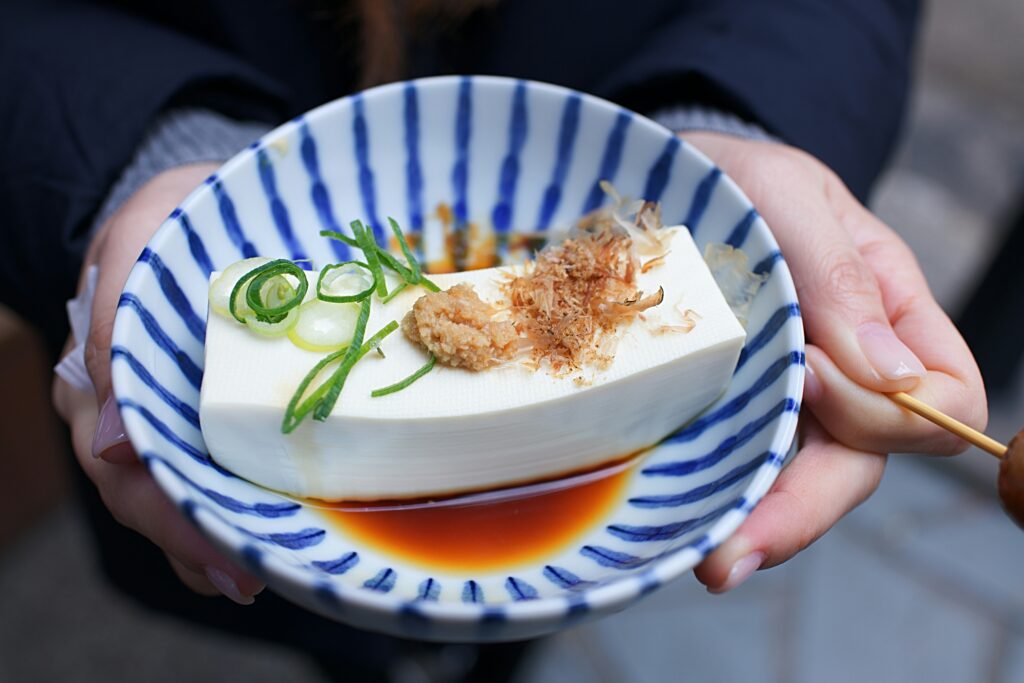
Ironically, the reason why some may fear eating soy is exactly why soy foods has anti-cancer and hormone regulating activity, this is because Soybeans contain isoflavones, plant-based compounds that resemble human estrogen (hence the unfounded fears). However, these isoflavones can attach themselves to estrogen receptors, which can signal to the body that no more estrogen is needed, and in turns can lower excess estrogen levels. Since estrogen plays a role in breast cancer development and growth, consuming soy-based foods can have a positive impact and been considered as a protective factor against breast cancer risk. Additionally, Isoflavone consumption doesn’t alter cancer risk markers like mammographic density and cell proliferation. Studies also suggest soy isoflavones may hinder breast cancer cell growth through other mechanisms such as controlling certain enzymes that affect the cell DNA, and due to one specific isoflavone it contains, Genistein, which may have anti-cancer properties by influencing blood vessel growth and inflammation.
Potential Risks & Their Mitigation
Like many foods, there are some small risks of eating soy when not prepared properly or in specific populations, however these risk are insignificant for most people; Raw soybeans contain trypsin inhibitors, which can affect growth and metabolism in animals, and lecithins, which may interfere with digestion. However, heat treatment during processing eliminates these effects. Additionally, soy in general is considered to have low allergenicity compared to other protein sources. For example, soy allergy prevalence varies: 0-0.5% in the general population, 0.4-3.1% in children referred to allergy clinics, and 0-12.9% in atopic children.
Soy’s Impact on Breast Cancer
Soy has demonstrated anti-cancer properties, with isoflavones protecting against estrogen-sensitive cancers. This protective effect is more evident in Asian women, possibly due to factors like gut bacteria, early soy consumption, high intake, and consumption of less processed soy products. Observational studies show high soy consumption reduces breast cancer risk in Asian women by about 30%, especially with consumption starting in childhood and adolescence. Other factors influencing this association include soy form, source, exposure time, estrogen receptor status, and hormone profiles.
A 2022 meta-analysis of large eight studies found a significant inverse relationship between soy isoflavone consumption and breast cancer risk in both pre- and post-menopausal women. Higher isoflavone intake correlated with lower breast cancer occurrence, concluding that soy isoflavones can reduce breast cancer risk.
Studies involving 11,000 American and Chinese women showed soy consumption after breast cancer diagnosis reduces recurrence and improves survival. One study found a dose-dependent association between soy food intake and reduced breast cancer risk in Asian women, with a 16% risk reduction per 10mg daily isoflavone increase. Adolescent soy intake had a stronger effect than adult intake.
Soy isoflavones were also inversely associated with recurrence risk. . A 2015 review concluded that soy-rich diets were associated with a 25% reduction in recurrence risk and a 15% reduction in mortality among women with the disease.
Studies also found that soy doesn’t interfere with chemotherapy drugs such as tamoxifen or anastrozole and that women with high-risk polymorphisms may benefit from high isoflavone doses. Based on these findings, it is recommended to incorporate moderate amounts of minimally processed soy foods like tofu, tempeh, and edamame.
Conclusion
In this article I wanted to emphasize how much power you have in reducing breast cancer risk or risk of recurrence through your everyday choices. While the world of diet and cancer research can seem overwhelming, the message is quite clear: prioritizing a healthy lifestyle, especially what you eat, can make a significant difference.
Think of your plate as a protective shield. Loading it with plenty of fruits, vegetables, nuts, and whole grains provides your body with essential nutrients and antioxidants that can help fight off disease. Focusing on plant-based foods, high-quality fish and seafood, while limiting red and processed meats, sugar, and being mindful of unhealthy fats, also plays a crucial role in reducing your risk. And, of course, maintaining a healthy weight is incredibly important, as excess weight can create an environment in the body that encourages cancer growth.
Remember, this isn’t about perfection, but about progress. Small, consistent changes can lead to big rewards for your health. So, I urge you to continue to work on optimizing your diet to support your well-being and reduce the risk of breast cancer development and recurrence. Your commitment to a healthy diet is a powerful step in taking charge of your health.